

The Worldview Course: Video Series
The aim of Faith Beyond Belief’s Worldview Course is to equip Christians to engage in meaningful conversations that challenge others to think about the Christian worldview.
But before we can engage others, we have to get clear ourselves on what we believe and why we believe it–or even just get clear on why it matters!
This is why the Worldview Course starts by discussing the most basic ideas: what is a worldview and why does it matter that we have the right worldview? The course goes on to cover other essential topics that every Christian ambassador needs to understand in order to be equipped to represent Christ well in our confused, and often hostile, culture.
Want to take the Worldview Course in person with a Faith Beyond Belief speaker?
Find out course times by clicking here or fill out the form below and we’ll contact you.
The Worldview Course Outline
One of the toughest questions Christians face today is, “Why are you a Christian?” Many of us struggle because most Christians today have grown up in church and many of us don’t know how to translate what we believe to people outside the church. Worse, many of us struggle to articulate the basics of our beliefs and face an increasingly hostile culture that seeks to challenge the basics of our faith. We’re challenged on everything from the reliability of the Bible to the existence of right and wrong.
Faith Beyond Belief’s Worldview Course equips Christians to engage in meaningful conversations that challenge others to think about the Christian worldview. It does this by explaining twelve core elements of the Christian worldview, starting with the question, “What is a worldview and why does it matter if I have the right one?” The course goes on to cover other essential topics, in sessions including “What is Truth?,” “Can we Trust the Bible?,” and “Which Jesus?” When Christians are able to understand their worldview, they are able to share the good news of Christ with confidence.
Sessions
SESSION 1: WHAT IS A WORLDVIEW?


Everyone from Charles Darwin to Mother Theresa has a worldview, the way each of us understands what the world is and how the world works. But in a postmodern society, we need to answer an important question: does it matter if we have the right worldview? In our first session, we examine three basic facts about worldviews that make it clear not all worldviews can be right. We need a proper understanding of the world, if we want to prosper in that world.
SESSION 2: WHAT IS TRUTH?


In order to know which worldview is right, we need to define another word: truth. When we claim something is true, many assume we are being arrogant or dismissive of those who disagree with us. In this session, we’ll examine why truth matters, including explaining the difference between objective and subjective truths. We’ll also look at why we believe moral truths exist and how the existence of objective morality leads can lead to an objective-moral law giver.
SESSION 3: THE CASE FOR DESIGN


Is life, along with the universe in which life is found, the result of purely natural processes? Or is there evidence for supernatural involvement in the development of the cosmos? Does science contradict religion or does science point to something beyond the physical world? In this session, we’ll examine how the physical universe points to a supernatural creator by asking, “Where did the physical world come from?” We’ll explain how astronomy confirms what the Bible teaches: that the universe had a beginning.
SESSION 4: DEFINING EVOLUTION


Many atheists now claim that rejecting evolution is a rejection of science. Others argue that it is child abuse not to teach evolution. In this session, we’ll examine how the first stage in discussing evolution is simply to ask for a definition of the word, “evolution.” We’ll explain how there are multiple definitions of evolution and not all are incompatible with a belief in a supernatural God. We’ll also examine the problems of the Darwinian view of evolution.
SESSION 5: WHICH GOD IS GOD?

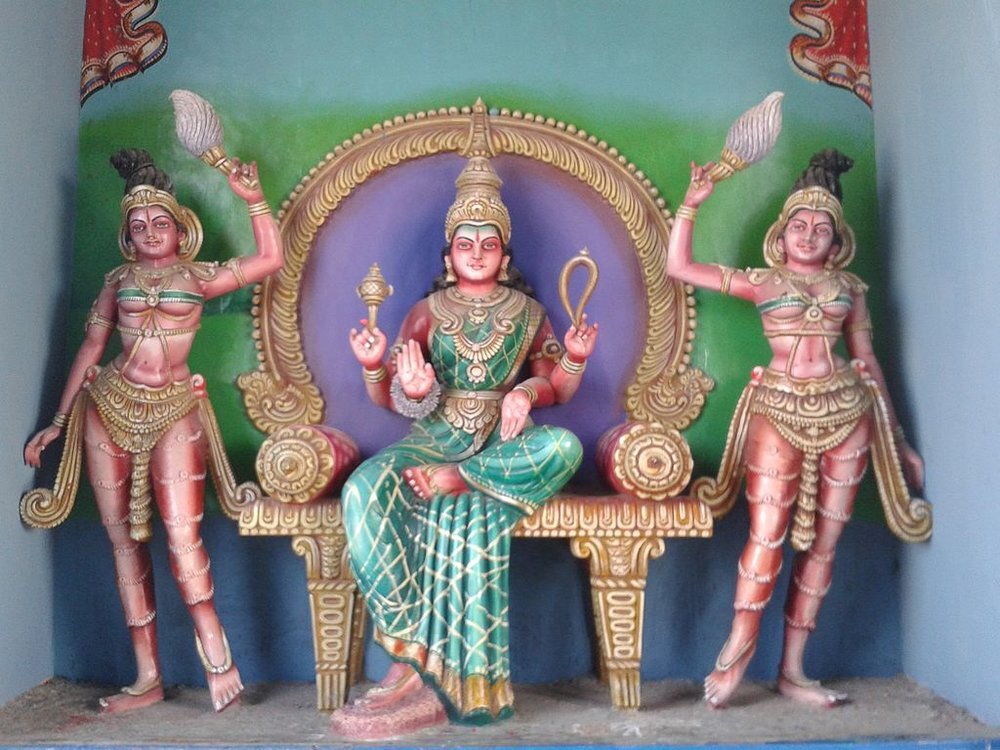
In a multicultural society, there are many views of “God”, and many kinds of gods worshipped. Many argue that it is wrong to disagree with anyone’s view of God because religion is just a subjective belief. In this session, we’ll explain why it’s crucial to test claims made about God, just as we would any other kinds of claims. This make clear an important truth about religious worldviews; that not all religious views can be correct. We’ll also examine what different worldviews teach and compare their beliefs with the evidence we’ve studied in previous sessions about how the universe actually works.
SESSION 6: CAN WE TRUST THE BIBLE?

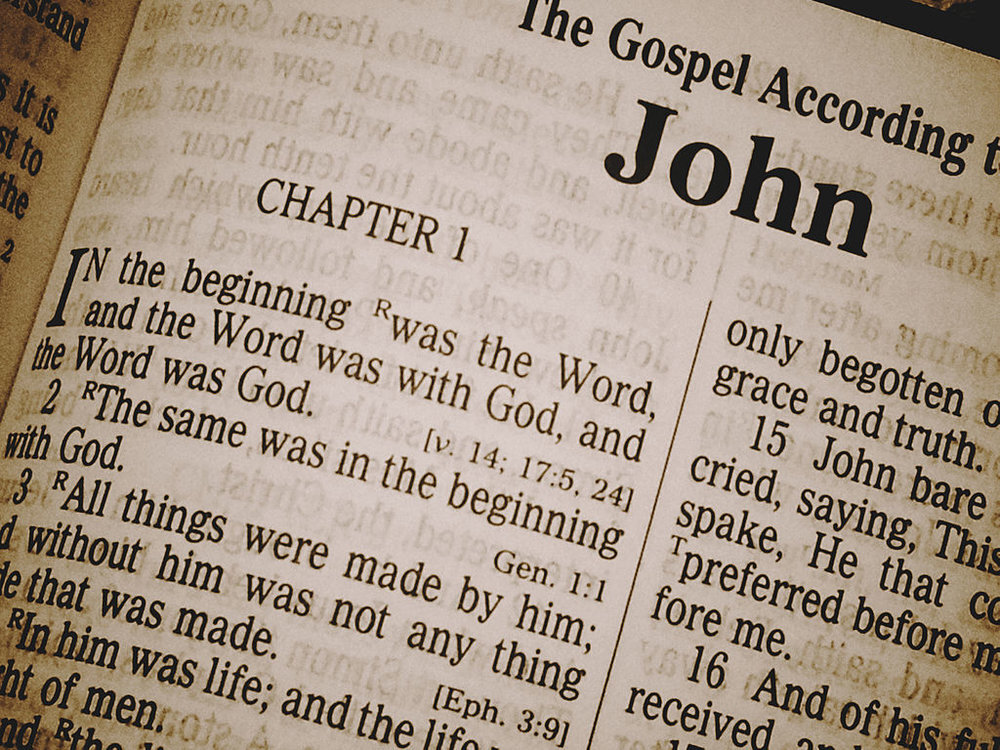
If God exists, has He ever tried to communicate with us? Are there good reasons to trust that the Christian Bible contains God’s words? In this session, we’ll define what the Christian Bible is. We’ll also go through Stand to Reason’s six reasons why we can trust that the Bible stands out as a reliable source of information for God’s interactions with humankind.
SESSION 7: THE PROBLEM OF EVIL

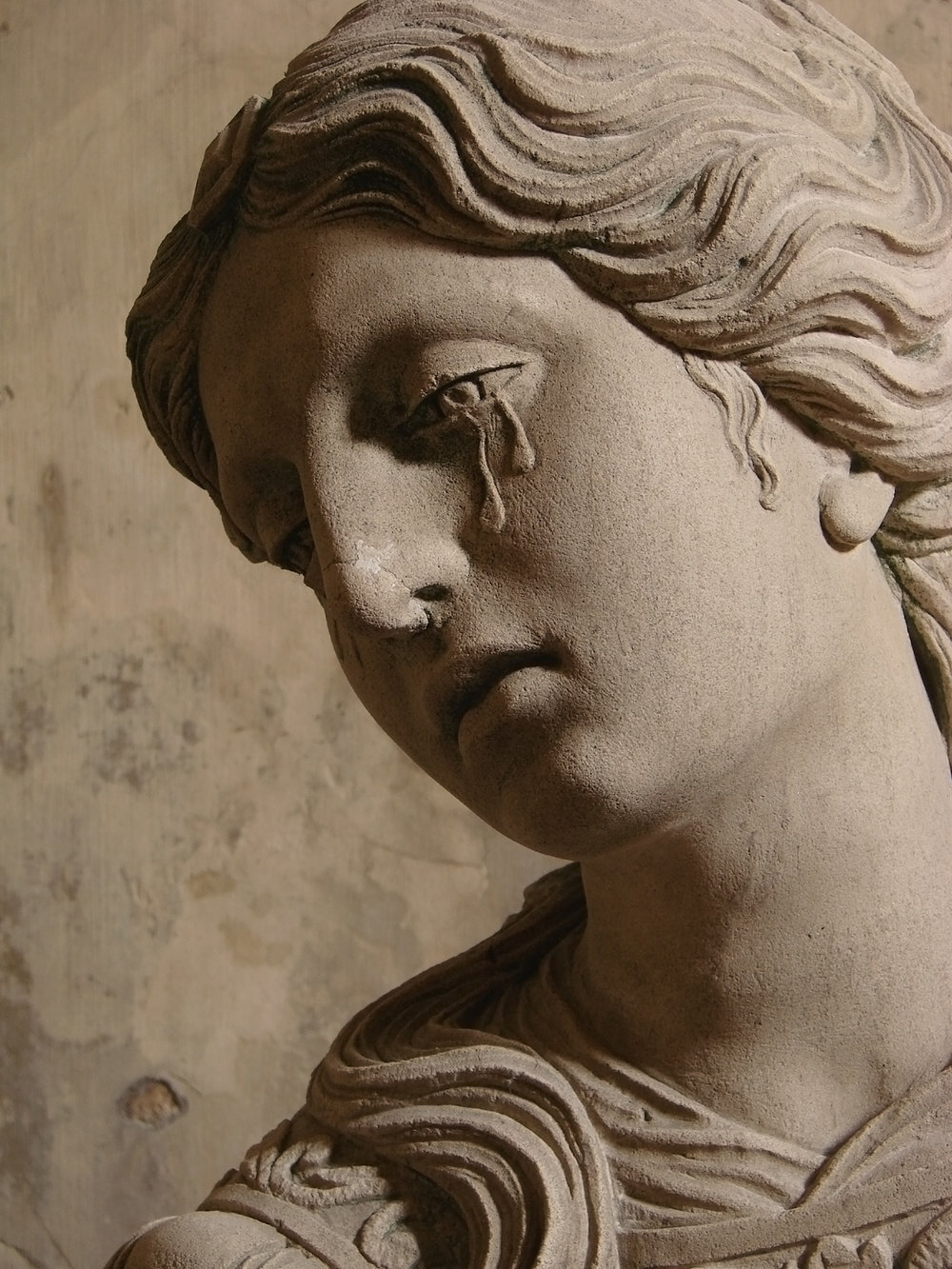
If God is all-powerful and all-good, then why does evil exist? In this session we’ll define evil. Then we’ll examine why evil, whether caused by nature, humanity, or other forces actually gives us reasons to believe in God. We’ll look at eight ways we can respond to the problem of evil and comfort those who are in the midst of circumstances where they ask, “Where is God when evil happens?”
SESSION 8: WHO IS JESUS?


There are many historical figures who claim to speak for God. But Jesus claimed to be something more. He equated himself with God. In this session we’ll examine Jesus’ unique claim and why it makes sense to accept that He was not a liar, nor a lunatic or a legend–but the Lord God Himself.
SESSION 9: SALVATION


Christians are often challenged by those who wonder how the Christian God can be a loving God and yet create Hell. Others wonder what happens to those who have never heard the gospel. In this session, we’ll define the Christian view of salvation. Rather than beginning with ourselves, we examine salvation from God’s perspective. By doing so, we can see that God is just when he invites people to come to Him, and equally just when sending some to Heaven and others to Hell.
SESSION 10: WHY CHURCH?

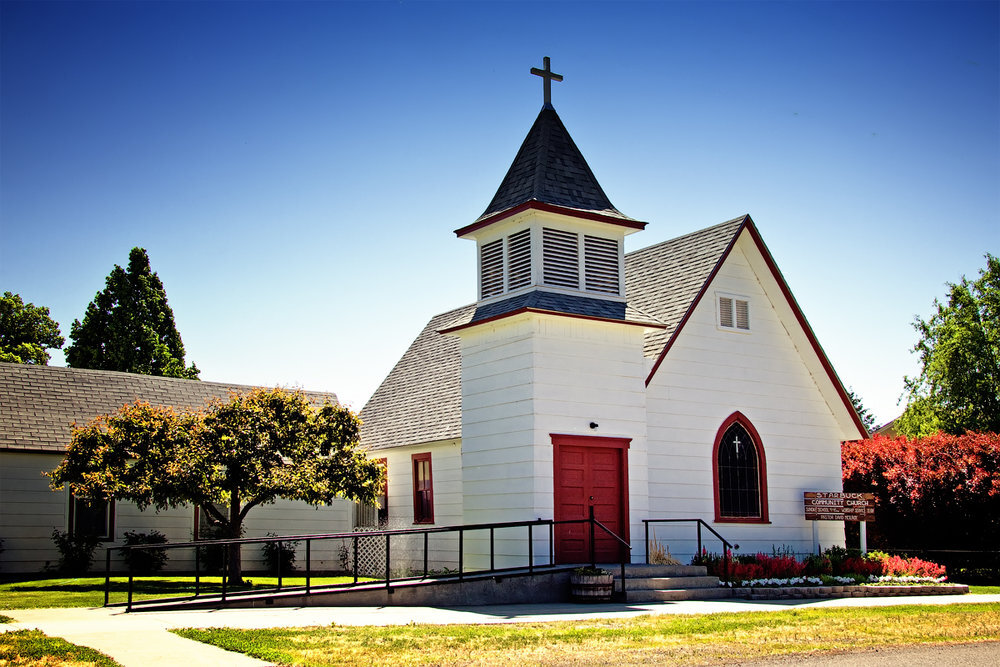
It could be argued that the Christian church is the most important organization in the world. But what do we mean by “church”? In this session, we’ll examine why the church is more than an institution and more than just a group of people coming together. We’ll look at how the church can be significant, interesting and new, even in a secular culture.
SESSIONS 11: WHY US? WHAT IS A CHRISTIAN?

One of the most controversial words used today is the word “Christian.” That’s because it has taken on a wide range of meanings. Yet in an increasingly fragmented culture, the need for Christians to represent Christ as His ambassadors becomes ever more important. In this session, we’ll examine why Christians need to examine what we represent and how we can model Jesus Christ to others.
SESSION 12: CONVERSATION TRAINING


In this session, participants practice responding to objections to the Christian faith. Group members will role-play various conversations, either as the non-believing person or as the Christian trying to have a conversation.